


Finding Your Rhythm When the Days Get Shorter
Chinese medicine is all about living in harmony with the seasons and the environment. When there are drastic changes in temperature and the amount of day light, it's helpful to set some goals and find a new rhythm.
Common Pitfalls in Autumn and Winter
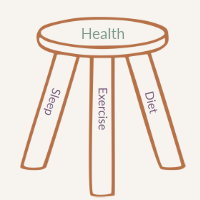
If you go back to my Building a Foundation of Health post, you'll be reminded that exercise, sleep and diet all need to be in check. Let's look at some common pitfalls in Autumn and Winter for each of these.
Sleep
There's really interesting research now about the positive affects of sunlight exposure on our sleep at night. Getting morning sunlight sets our internal clock and influences our circadian rythms. Make an effort to get outside in the morning, even when it's chilly. Open your curtains in the morning and have your coffee by a window. Taking an afternoon walk also has positive effects.
On a related note, using more artificial lighting in these long evenings can also be disruptive for sleep. Start using dimmer lighting or lamps (choose warm colored bulbs) a couple of hours before bed to help with winding down. For more information on the effects of sunlight and indoor lighting on our health (even our hunger!), check out this interesting article on WebMD.

Exercise
As the days get colder and darker, don’t let your activity level slip. Shorter dog walks and less motivation to work out are understandable, but being sedentary can leave you feeling colder and more tired due to reduced circulation, muscle mass, and mitochondrial activity. Stay active as the seasons change! Think about ways you can get the recommended amount of exercise into your week and get it on your schedule.
Every week, get ATLEAST 150 minutes of moderate intensity exercise or 75 minutes of vigorous intensity exercise (or a good combo of both).
Adults also need two resistance training or muscle strengthening workouts a week.

Diet
Diet, particularly glucose regulation, needs attention this time of year. Starting in October with Halloween candy, the blood sugar roller coaster can get out of control. Colder weather often brings in more carb-heavy comfort foods and holiday treats. This can be especially deleterious if we aren't sleeping well or exercising.
Having big spikes and drops in our blood sugar causes so many issues, including depression, irritability, fatigue, aches and pains, inflammation, sleep disturbances, and cravings. One tip to help you enjoy high carb treats without as much of an impact on your blood sugar is to save these foods for the end of your meal. Start your meals with vegetables, such as a salad. Next, eat the protein and fats. Then, enjoy the potatoes, bread, rice, dessert, etc.
For more easy tips and tricks for stable glucose, check out The Glucose Goddess.

Do you know someone who needs this info? Please pass it along!


